To apply, you must be 16+ and hold a NatWest current account, and this must be your only Digital Regular Saver account.
Digital Regular Saver
Start from just £1 a month
Ideal for saving little and often
Your account stays open year after year
Why choose our Digital Regular Saver
Join over 1.5 million NatWest customers in discovering the benefits of a regular savings account.
Make your money work harder
Earn 5.25% / 5.13% AER/gross p.a. (variable) on balances up to £5,000.
Build your savings steadily
Save regularly each month from £1 - £150 and grow your money over time.
Withdraw when you need to
You have instant access to your balance whenever you need it.
Join 11 million customers on our mobile app
Eligibility criteria and conditions apply. Volume of app customers correct as of May 2025.
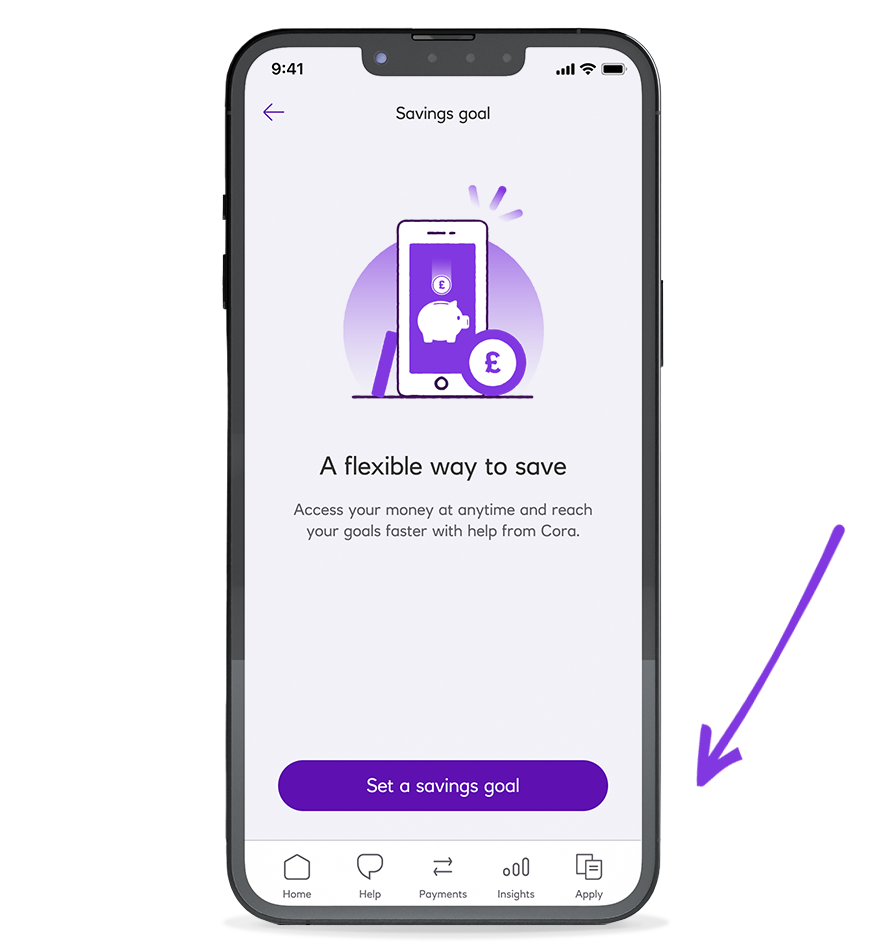
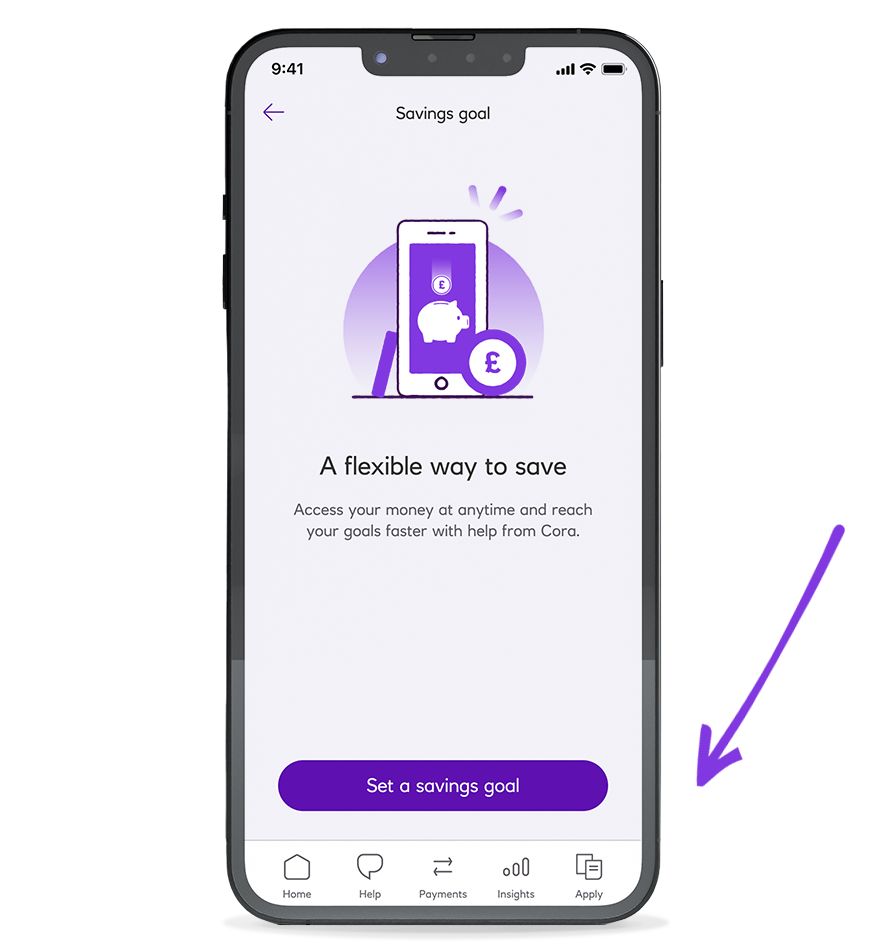
Set Savings Goals
Set yourself up for success with a savings goal.
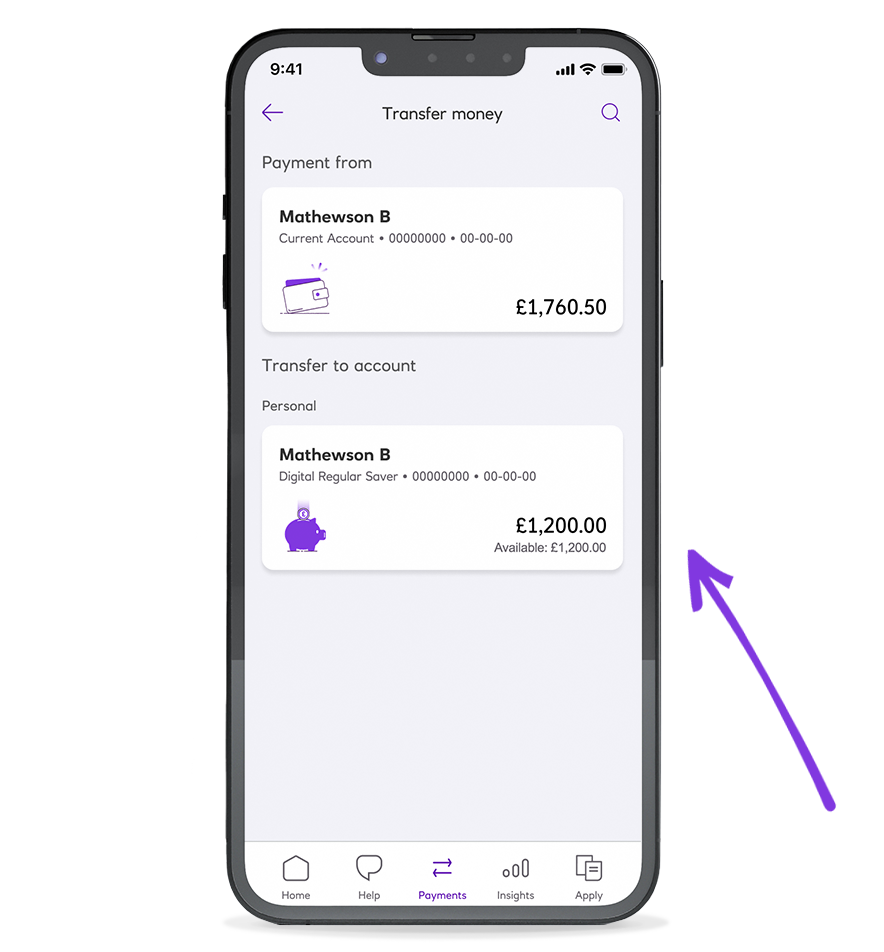
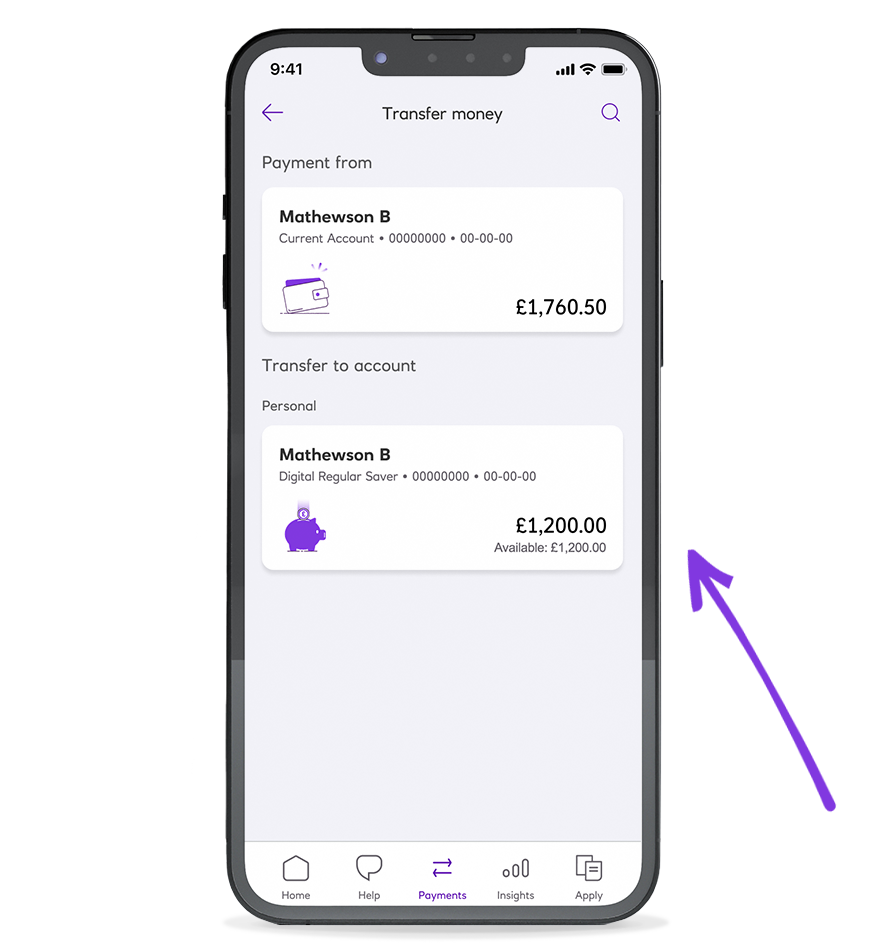
Transfer money in seconds
Transfer money between your current and savings accounts, on the go, any time.
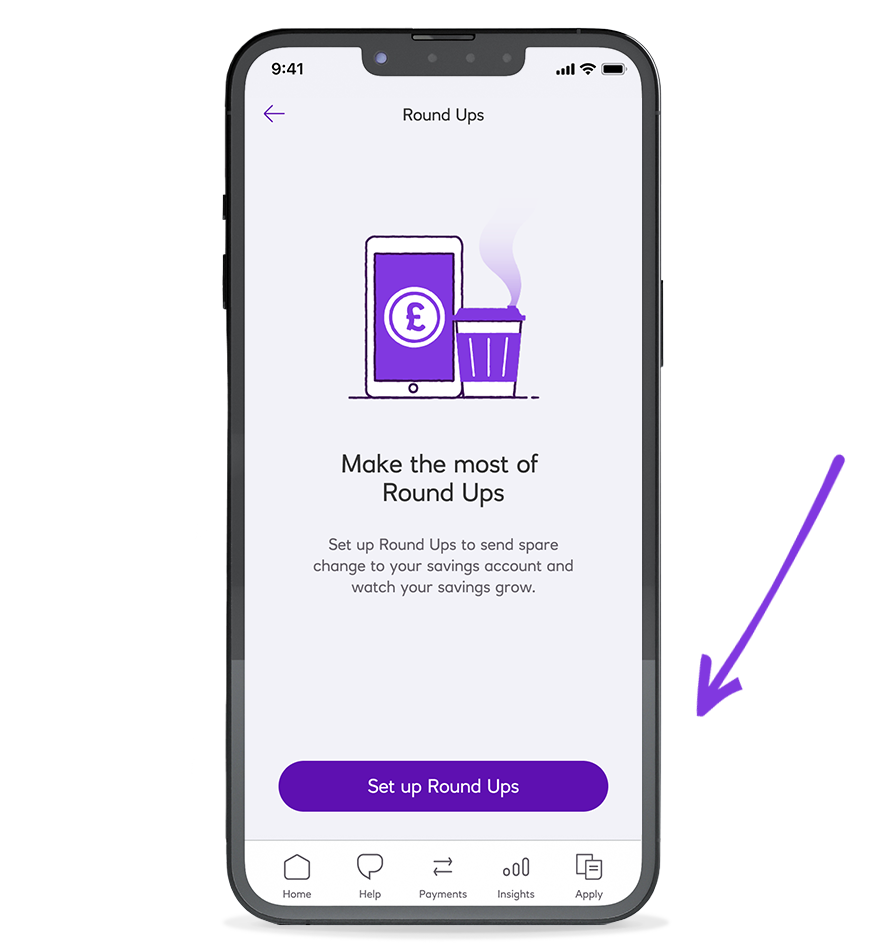
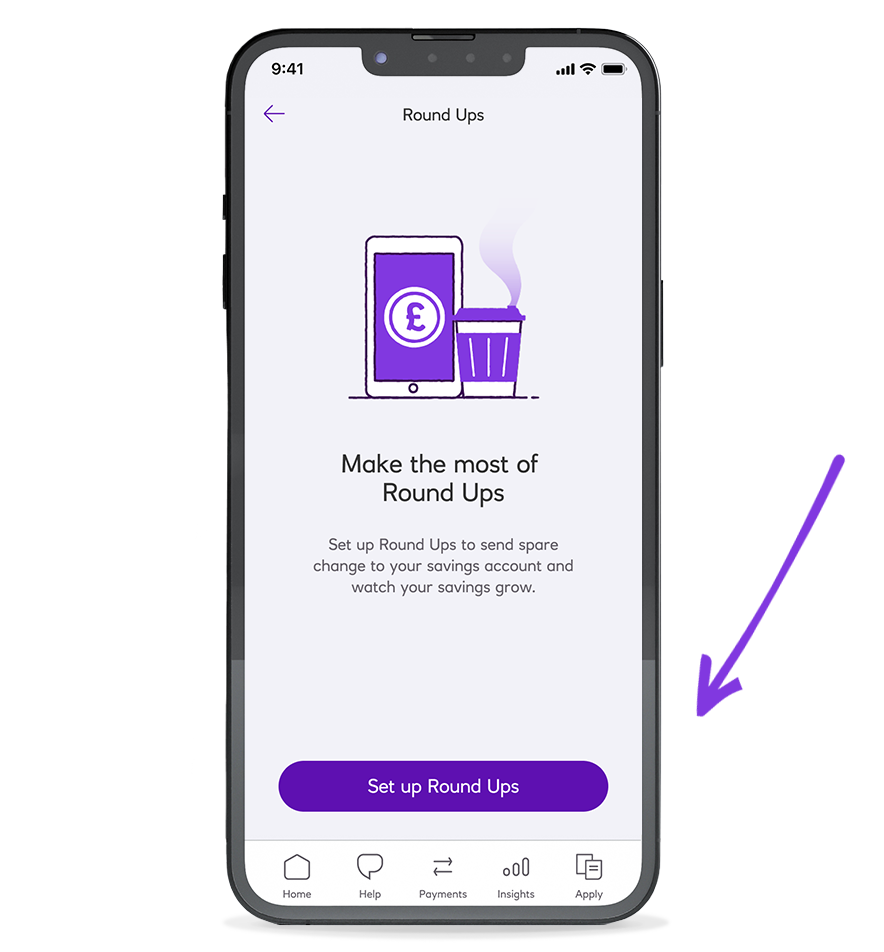
Round ups
Round up your spending to the nearest £, sending the change (or up to five times that) to your savings.
Join 11 million customers on our mobile app
Eligibility criteria and conditions apply. Volume of app customers correct as of May 2025.
App is available to personal and business banking customers aged 11+ using compatible iOS and Android devices. You'll need a UK or international mobile number in specific countries. Eligibility criteria and conditions apply for Round Ups.
Summary Box
Account name: Digital Regular Saver
What is the interest rate?
Balance
AER p.a. (variable)
Gross p.a. (variable)
Can NatWest change the interest rate?
Yes, these rates are variable. If the rates are going down and your balance is £100 or more, we’ll give you at least 14 days’ notice. If the rates are going down and your balance is less than £100, we’ll inform you before the change or shortly afterwards. If the rates are going up, we’ll inform you before the change or shortly afterwards. For more information please see the Savings Account Terms (PDF, 474 KB).
What would the estimated balance be after 12 months based on a range of deposits?
Deposit amount (monthly)
Total deposited after 12 months
Balance after 12 months
Interest earned
How do I open and manage the Digital Regular Saver?
What you’ll need to apply
- You must be a UK resident, aged 16 years or over and a NatWest current account holder.
- The Digital Regular Saver is for NatWest current account holders. So, you’ll need to have one of our bank accounts first. Compare the different options.
- You can open your regular savings account via Online Banking or through our mobile app.
- You can only have one Digital Regular Saver and it needs to be in your name. Joint accounts aren’t allowed.
- We’ll need an email address and mobile number to open your account. You can update them online.
Managing your monthly savings account
- Regular savers can manage their accounts via Online Banking, on our mobile app, in branch or by telephone.
- If you close your account, you will not earn interest for the month of closure.
More information on our Digital Regular Saver
There’s no minimum deposit to open regular saver accounts. But a standing order does need to be set up from your NatWest current account to add between £1 and £150 each calendar month into the account.
If you wish to put extra money into the account, the combination of this and your standing order cannot exceed the £150 per calendar month limit. There is no maximum balance limit, however, the higher interest rate will only apply to balances up to and including £5,000.
When you hit the Ready to Apply button, you log in to Online Banking to apply and you set up the standing order at the time of application – simple and easy!
How much can I save into a Digital Regular Saver?
As a NatWest saver, you can only pay up to £150 into your Digital Regular Saver account each calendar month. This includes your standing order and any extra money you put in. Round Ups and Rewards won’t count towards your monthly £150 limit.
Any amount over this limit may be automatically moved to your current account. You’ll receive an SMS confirming this. The SMS will detail the last four digits of the account the money has been returned to.
Any returned funds will show on your transaction list and statement as DRS Overfund *Month*. For example, if you paid in more than £150 in June, the returned transaction would say DRS Overfund Jun.
If you repeatedly try to pay more than £150 each month into a Digital Regular Saver account, you’ll be given 60 days’ notice to close the account.
So, when researching the best savings account for regular deposits, it’s useful to compare monthly limits to find the right option for you.
Extra money can come from a current or savings account in your name held with us or held with another bank (online, by telephone or on the mobile app) as long as it doesn’t exceed the £150 monthly limit.
Your account is not meant for everyday payments. You can’t set up standing orders or Direct Debits, have an arranged overdraft, or receive your salary, wage, pension, or benefit payments directly into your account.
You are able to use Round Ups with Digital Regular Saver.
Round Ups is available to customers who have an eligible current account, an eligible instant access savings account and are registered for the NatWest Mobile App. Round Ups can only be made on debit card and contactless payments in Sterling.
Got more than £5 saved in MyRewards? You can pay your Rewards into your Digital Regular Saver account and they won’t count towards your £150 monthly limit. Just go to MyRewards in the app, select Exchange Rewards, then select Pay Bank and choose your Digital Regular Saver account from the list.
Can I withdraw money from my regular savings account?
Yes, you can withdraw your money from this regular savings account at any time. Simply move the amount you want to your current account held with us using Online Banking, our mobile app, in branch or by telephone.
If you close or switch your current account with us in future, you will only be able to withdraw money from your account in branch.
Definitions
Banking can be confusing sometimes. Here’s what some of the words we use mean.
Annual Equivalent Rate (AER) shows the interest rate if interest is paid and compounded once each year. AER helps you to compare the rates of interest on different accounts.
Compound interest is interest that is earned on interest that’s already been paid.
Gross means the interest rate you are paid on your savings with no compounding.
Per annum (per year).
We pay all savings interest without the deduction of tax. You do not pay any UK tax on interest earned in ISAs. You may have to pay tax on interest earned in non-ISA accounts depending on your Personal Savings Allowance. The tax treatment may be subject to change in the future.
Get ready to apply
Before you apply, we need to check you’re happy with a few things. And ask you a few questions up front. Then we can make your application as quick and simple as it can be.
First things first. Please take a look at the important legal info:
If you carry on applying, it means you're happy with what's in these documents, including the FSCS information sheet. Please take some time to review, print and/or save the important information.
All kinds of general info about our savings accounts. Including details about the Digital Regular Saver account.
Here you’ll find our interest rates for each of our products, including balance examples to see how much you could earn.
Very important information about how your money is protected. Just in case.
How your information might be used
It’s important for you to understand how we use and share your information. Please read this short summary before you continue with your application.
Regular savings accounts – FAQs
No, but it helps keep you in the savings habit. You’ll still receive the highest interest rate on your balance up to £5,000.
Yes. But when added together, your lump sum deposit and standing order can’t go over £150 per calendar month. Once your regular savings account is open, you can make a deposit via online or mobile banking.
Yes. You’ll get the interest rate for the portion of your balance in each tier, even if you stop saving. However, a standing order could help keep you in the savings habit.
You can only have one Digital Regular Saver and it needs to be in your name.
However, you could open a Flexible Saver account too. This also gives you instant access to your money.
You can make as many deposits as you like into your Digital Regular Saver, so long as you don’t go above £150 a month. This way, you can start with your standing order and top up as the month goes along. Plus, Round Ups don’t count towards your total. Put your spare change to work!
Don’t worry – if you have to stop saving, we’ll continue to pay interest on what you’ve already paid in to your regular saver account. And with our mobile banking app, you’re always in control of your savings.
What happens if I exceed the £150 monthly deposit limit?
Any amount over £150 will be automatically returned to your current account and you’ll receive an SMS confirmation. If you repeatedly go over the limit, you’ll be given 60 days’ notice to close the account.
Yes, Digital Regular Saver is an instant access account. So, you can get easy access to your savings as and when you need them.
Round Ups can help make saving easy. You can save spare change from the everyday things you buy and put it in your savings account.
Say you pay for something with your debit card or contactless device for £2.30. With the Round Ups tool, we’d round this up to the nearest pound, and send the spare change to your savings account – in this case 70p.
Any money added from Round Ups to a Digital Regular Saver won’t count towards your £150 monthly limit.
Different banks offer different products. So, shopping around and comparing might help you find the best saving account rates.
Just remember that the best regular saver rates aren’t the only thing to compare. For example, some accounts may restrict access to your cash. This means the best regular savings account for over 60s could be different to someone in their 20s or 30s.
A cash ISA is a savings account with added tax benefits. You don’t have to pay tax on any interest your money earns. But there’s a £20,000 annual allowance, which limits what you can save each year.
In contrast, interest earned on regular savings accounts may be taxable.
Savings accounts with high interest rates are sometimes called ‘high yield’. But to get these rates, you may need to pay in a certain amount of money. Or lock your cash away for a while.
On the other hand, our regular savings account doesn’t have a minimum opening deposit. And you can take your money out whenever you like.
What are the pros and cons of a regular savings account?
Regular savings accounts can help you build a saving habit by encouraging you to save a set amount each month automatically. They may also offer higher interest rates than some other saving accounts, while still allowing access to your money when needed withou locking it away.
However, there are some limitations to consider. Regular savings accounts often have monthly deposit limits, meaning you can only save up to a certain amount each month. Interest rates may also change over time as they are usually variable. Some accouns, including the Digital Regular Saver, are designed for existing customers and may require you to hold a NatWest current account before applying.
Not sure this account is right for you?
Compare our savings accounts and find the one that fits your goals.