

In this guide
Overlay
Single use plastics
Reducing the amount of single use plastic you buy is something you’ve probably already heard about.
Even though some plastic can be recycled, it still leaves a carbon footprint, so trying to lower the amount you use is better for the environment.
Using reusable water bottles and supermarket ‘bags for life’ are two easy ways to reduce the amount of plastic we waste.
Information Message
Food waste
Cutting down the amount of food you waste is another way to lower your carbon footprint.
Emissions are created all along the food chain, from producing the food to transporting it to your plate.
So try to resist the temptation of supermarket offers and only buy what you need.
Information Message
Recycle what you can
Recycling plays an important role in reducing the emissions often associated with the manufacturing process.
Glass can be recycled into a new glass-based product, meaning there’s no need to start over again with fresh raw materials and the emissions associated with processing them.
The same goes for other day-to-day materials, such as cardboard and paper.
Information Message

What can I recycle at home?
It can be confusing knowing what can and can’t be recycled, with a range of different symbols used on packaging.
Most local authority websites will have information about what can be recycled in your area, so have a look if you’re unsure.
Love second-hand
Reusing is fairly similar to recycling. Every time a product is made, it produces emissions. So trying to prolong the life of the things you own and buy is one way to help the environment and save money.
This might be as simple as buying secondhand clothes or a used bicycle. Or giving something old a new lease of life, such as painting an old chair a vibrant new colour.
Information Message
Try before you buy
Not every purchase needs to be permanent. Borrow, rent or share items you'll only use occasionally. It can save money, reduce waste and help you avoid buying things you don't really need
Information Message
Check the label
Taking some time to look into what goes into making something, might just change your mind about what you choose to buy.
For example, garments made from entirely recycled fabric or powering factories from renewable energy sources.
Information Message

Donate to charities
Donating to charities that aim to combat climate change or promote forms of conservation is another way to make a difference and feel good about it at the same time.
From projects that seek to remove CO2 from the atmosphere, such as tree planting, to charities that provide climate-based education, your help can go a long way to helping to reduce our impact on the climate at home or further afield.
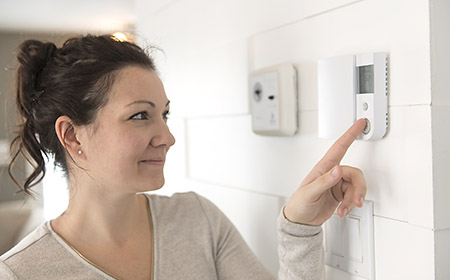
Ideas to help you save energy at home
Whether you’re a renter or a homeowner, you can start saving energy – and money – with these simple tips.